
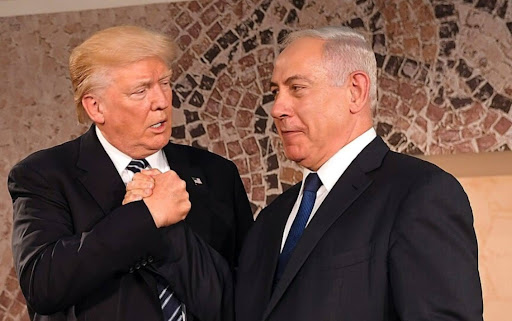
Language matters in diplomacy, and Israeli Prime Minister Benjamin Netanyahu chose his words carefully when the South Pars crisis required public management. “He’s the leader. I’m his ally. America is the leader,” Netanyahu said — a carefully constructed statement of deference that simultaneously acknowledged Trump’s supremacy and left intact Israel’s freedom of action. The phrase was notable for what it said and what it left unsaid.
What it said was that Netanyahu recognizes US primacy in the alliance. What it left unsaid was any acknowledgment that Israel’s decision to strike the South Pars gas field — against the expressed wishes of “the leader” — represented a problem. By framing himself as the loyal ally even as he confirmed acting alone, Netanyahu managed to accept subordination in principle while exercising independence in practice.
Trump had been unusually direct about his objection to the strike. “I told him, ‘Don’t do that,'” he told reporters at the White House — a comment that made his disapproval a matter of public record. The gas field attack had triggered Iranian retaliation, spiked global energy prices, and alarmed Gulf allies. Trump’s public pushback was in part a response to the pressure those allies were placing on Washington.
The episode illustrated a dynamic that has characterized the relationship throughout the conflict: Netanyahu uses language of deference strategically while maintaining substantive independence. He accepted Trump’s specific request not to hit the gas field again — a real concession — but did not broaden that concession to cover other categories of targets. The parameters of Israeli independence remained largely intact.
US officials worked to reinforce the picture of a unified alliance, confirming ongoing coordination and American strategic independence. But the gap between public language and operational reality was visible to attentive observers. Director of National Intelligence Tulsi Gabbard acknowledged to Congress that the two governments’ objectives differ. Whether “the leader” can ultimately set the terms of the war, or whether “the ally” will continue to shape them through independent action, remains the defining tension of the partnership.