
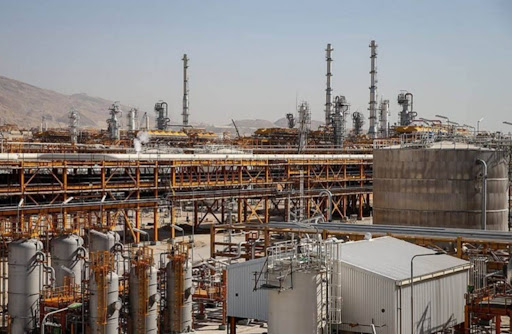
Iran made its most direct energy threat of the entire conflict on Wednesday, naming specific Gulf facilities for imminent strikes after Israeli forces hit the South Pars gasfield. The Revolutionary Guards identified targets in Saudi Arabia, the UAE, and Qatar and ordered immediate evacuation. Oil prices climbed toward $110 a barrel as the world’s most energy-critical region moved toward what many feared would be an unprecedented infrastructure war.
The South Pars field, the world’s largest natural gas reserve, is shared between Iran and Qatar and central to Iran’s economic survival. Israel’s strike on the field — reportedly with US backing — broke months of deliberate restraint around energy infrastructure. Until now, both Washington and Tel Aviv had calculated that the risks of targeting Iranian fossil fuel production outweighed the strategic benefits. That calculation had clearly changed.
Iran’s state media named Saudi Arabia’s Samref refinery and Jubail complex, the UAE’s al-Hosn gasfield, and Qatar’s Mesaieed and Ras Laffan facilities as targets to be struck within hours. Evacuation orders were broadcast publicly and urgently. The governor of Asaluyeh called the US-Israeli strikes “political suicide” and said the war had entered a full-scale economic phase with potentially devastating global consequences.
Brent crude rose nearly 5% to $108.60 a barrel on Wednesday afternoon. European gas benchmarks surged more than 7.5% to over €55.50 per megawatt hour. Gulf oil exports had already been cut by 60% from pre-war volumes due to infrastructure damage and Iran’s Strait of Hormuz blockade. A week earlier, oil had briefly touched $116 a barrel — and analysts warned that a successful Iranian strike on Gulf facilities could push prices well beyond that threshold.
Qatar’s government spokesperson warned the international community that attacking energy infrastructure constituted a threat to global energy security and the region’s populations. The conflict had reached a moment that demanded international diplomatic engagement but offered little sign of it materializing. With specific targets named and evacuation orders in place, the threat was as real and as immediate as any in the war’s short but devastating history.